
Malaysia to Tokyo flight – direct access from Southeast Asia to Japan
Tokyo remains one of the most popular long-haul destinations for travelers departing from Malaysia. The combination of modern city life, Japanese culture, shopping districts, seasonal attractions, and excellent transport infrastructure makes Japan’s capital attractive throughout the year.
A malaysia to tokyo flight is available both as a direct service and with short regional connections depending on the departure airport. Kuala Lumpur serves as the main gateway, while passengers from Penang, Langkawi, Johor Bahru, Kota Kinabalu, and Kuching often connect through Kuala Lumpur or Singapore.
Flight options and current fares are available here:
https://terbango.com/en/flights-from-malaysia/
Why Tokyo is one of the strongest outbound markets from Malaysia
Japan has become increasingly accessible for travelers from Southeast Asia. Improved airline competition, more affordable fares, and simplified travel planning have significantly increased passenger traffic between Malaysia and Tokyo.
- Strong tourism demand year-round
- Direct long-haul connections from Kuala Lumpur
- Seasonal interest during cherry blossom and autumn foliage periods
- Excellent shopping, food, and entertainment options
- Easy domestic connections across Japan
Tokyo also acts as a major transit point for travelers continuing toward Hokkaido, Osaka, Nagoya, Sapporo, Fukuoka, and Okinawa.
Main airports for flights between Malaysia and Tokyo
Kuala Lumpur International Airport (KUL)
Kuala Lumpur International Airport is Malaysia’s primary international aviation hub and the main departure point for direct flights to Japan.
- Large selection of airlines
- Direct overnight and daytime services
- Extensive regional feeder network
- Modern long-haul terminals
Official airport website:
https://www.klia.com.my/
Tokyo Narita International Airport (NRT)
Narita Airport handles a large portion of international long-haul traffic arriving in Tokyo. It is located east of central Tokyo and offers efficient rail access to the city.
- Narita Express rail service
- Airport limousine buses
- Wide range of international airline operations
Travel time to central Tokyo usually ranges from 50 to 90 minutes depending on the transport option.
Official airport website:
https://www.narita-airport.jp/en/
Tokyo Haneda Airport (HND)
Haneda Airport is located much closer to downtown Tokyo and is increasingly preferred for premium and business-oriented flights.
- Fast access to central districts
- Efficient domestic transfer options
- Modern passenger facilities
Travel time to the city center is often under 30 minutes.
Official airport website:
https://tokyo-haneda.com/en/
Malaysia to Tokyo flight prices from different airports
| Departure airport | Typical route | Flight type | Prices from (one way) | Typical duration |
|---|---|---|---|---|
| Kuala Lumpur (KUL) | Tokyo Narita / Haneda | Direct | from RM550 | ~7h 10m |
| Penang (PEN) | Tokyo via Kuala Lumpur or Singapore | 1 stop | from RM780 | ~9h 30m |
| Langkawi (LGK) | Tokyo via Kuala Lumpur | 1 stop | from RM850 | ~10h 30m |
| Johor Bahru (JHB) | Tokyo via Kuala Lumpur or Singapore | 1 stop | from RM820 | ~9h-11h |
| Kota Kinabalu (BKI) | Tokyo via Kuala Lumpur | 1 stop | from RM950 | ~10h-13h |
| Kuching (KCH) | Tokyo via Kuala Lumpur | 1 stop | from RM900 | ~10h-12h |
Direct flights from Kuala Lumpur usually provide the lowest overall travel time and the widest selection of airlines. Travelers departing from regional Malaysian airports often connect through Kuala Lumpur International Airport, although some itineraries may also route via Singapore, Hong Kong, or Bangkok depending on the airline and season.
Prices fluctuate throughout the year and increase significantly during cherry blossom season, major Japanese holidays, and peak summer travel months. Promotional fares from AirAsia X and other regional carriers can occasionally reduce prices considerably, especially when booked several months in advance.
Airlines operating malaysia to tokyo flight routes
The market includes both full-service airlines and lower-cost long-haul operators. Travelers can choose between direct services and one-stop itineraries through major Asian hubs.
| Airline | Route type | Typical duration | Service model |
|---|---|---|---|
| AirAsia X | Direct | ~7h 15m | Low-cost long-haul |
| Malaysia Airlines | Direct | ~7h 10m | Full-service |
| ANA | Direct | ~7h 10m | Full-service |
| Japan Airlines | Direct | ~7h 15m | Full-service |
| Singapore Airlines | 1 stop via Singapore | 9h-12h | Full-service |
| Cathay Pacific | 1 stop via Hong Kong | 9h-13h | Full-service |
Direct flights are usually the preferred option due to the relatively manageable travel time between Malaysia and Japan.
Travel times and route patterns
A direct malaysia to tokyo flight generally takes slightly over seven hours depending on weather conditions, air traffic, and the selected airport in Tokyo.
- Kuala Lumpur to Tokyo Narita: ~7h 15m
- Kuala Lumpur to Tokyo Haneda: ~7h 05m
- Penang to Tokyo with transit: 9h-13h
- Kota Kinabalu to Tokyo with transit: 10h-14h
Most direct departures from Kuala Lumpur operate overnight, allowing passengers to arrive in Tokyo in the morning.
Seasonality and ticket pricing
Japan is a highly seasonal destination. Prices can vary significantly depending on the month, school holidays, and major Japanese tourism periods.
| Season | Travel demand | Typical fare level |
|---|---|---|
| January-February | Moderate | Often lower |
| March-April (Cherry Blossom) | Very high | Expensive |
| May-June | Stable | Moderate |
| July-August | High | Higher fares |
| October-November | Very high | Expensive |
| December | Holiday peak | Very high |
Cherry blossom season and autumn foliage season usually generate the strongest demand from Malaysian travelers.
How to find cheaper malaysia to tokyo flight tickets
Tokyo is not considered a low-cost destination, but airfare prices can still vary dramatically depending on booking timing and flexibility. Travelers searching for lower fares usually achieve the best results by booking tickets around two to four months before departure. Prices tend to increase significantly during Japan’s busiest tourism periods, especially the cherry blossom season in March and April, as well as during autumn foliage months.
Comparing arrival airports can also make a noticeable difference. Flights to Narita Airport are often cheaper than services to Haneda, although Haneda provides faster access to central Tokyo. Flexible travelers frequently save money by adjusting both airport and departure dates. Midweek flights from Malaysia, particularly on Tuesdays and Wednesdays, are commonly more affordable than weekend departures. Late-night flights departing from Kuala Lumpur may also offer lower pricing compared to daytime schedules. Promotional campaigns from airlines such as AirAsia X regularly introduce temporary fare reductions on long-haul Japan routes. Monitoring sales and comparing fares across multiple travel periods can help secure significantly better prices for a malaysia to tokyo flight.
Differences between low-cost and full-service airlines
Long-haul low-cost travel has become increasingly popular on the Malaysia-Japan market, especially among younger travelers and budget-conscious tourists.
Low-cost long-haul airlines
- Lower base fares
- Paid baggage and meals
- Tighter seating configuration
- Frequent promotions
Full-service airlines
- Checked baggage included
- Meals and entertainment systems
- Better transfer support
- More flexible ticket policies
For travelers carrying winter luggage or shopping heavily in Japan, baggage policies should always be checked carefully before booking.
Arriving in Tokyo – what to expect
Tokyo is one of the world’s largest metropolitan areas, yet its infrastructure remains remarkably organized and efficient. For many travelers arriving from Malaysia, the first impression is often the incredible combination of scale, cleanliness, punctuality, and advanced technology that defines daily life in Japan’s capital.
Both Narita International Airport and Haneda Airport are designed to handle large passenger volumes smoothly. Immigration procedures are usually well-structured, with multilingual signage available throughout the terminals. English-language information is widely accessible, making navigation easier even for first-time visitors to Japan.
After arrival, travelers quickly notice how efficient Tokyo’s transportation system is. Rail connections from the airports provide direct access to major districts such as Shinjuku, Shibuya, Tokyo Station, Ueno, and Ginza. Trains operate with impressive punctuality, and airport express services significantly reduce travel time into the city.
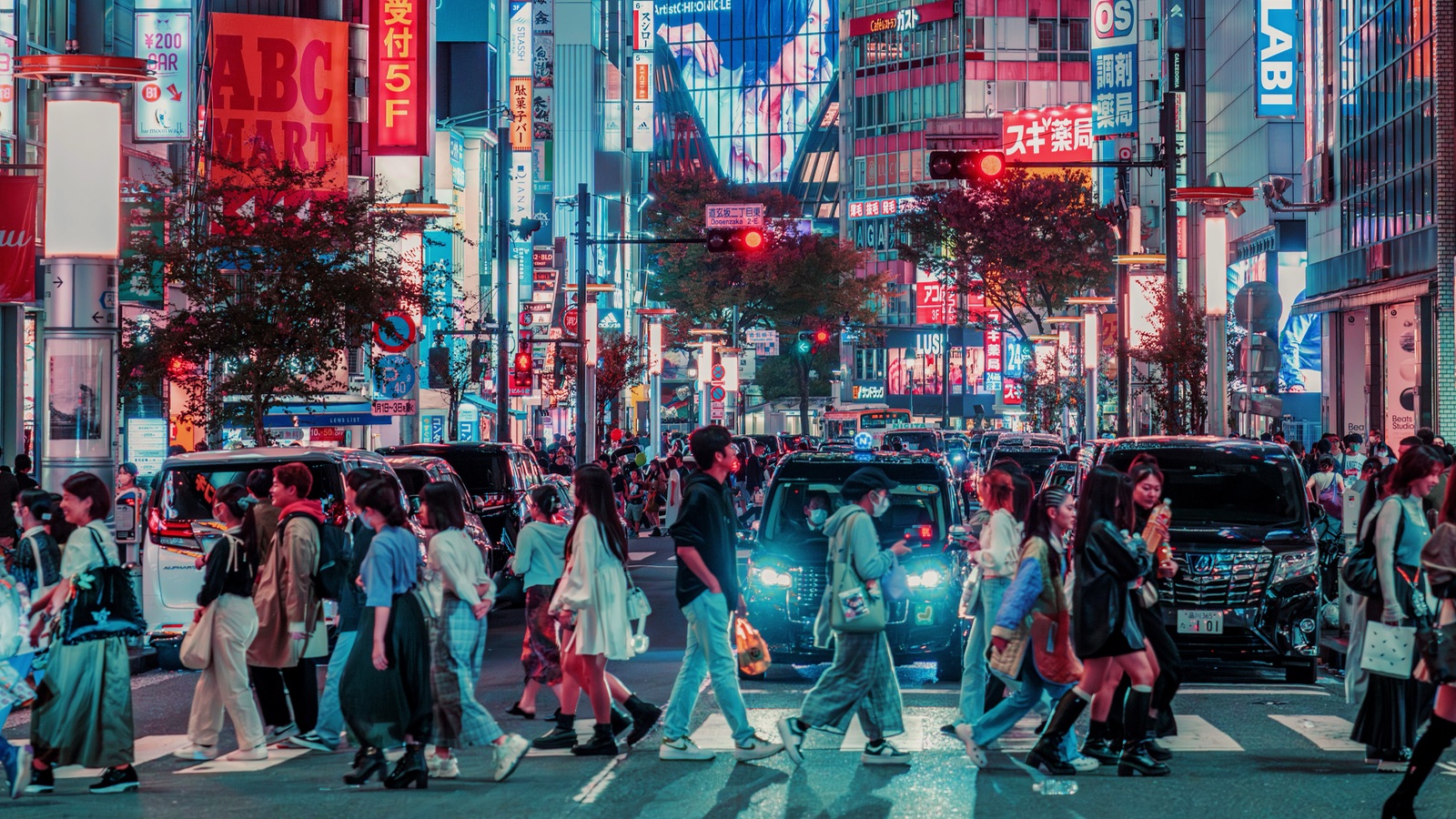
Tokyo itself is extremely diverse. Modern skyscraper districts stand alongside traditional temples, historic neighborhoods, and quiet residential streets. Areas such as Shibuya and Shinjuku are known for nightlife, shopping, and entertainment, while districts like Asakusa preserve a more traditional atmosphere with historical landmarks and local markets.
Food plays a central role in the Tokyo experience. Travelers can find everything from affordable ramen shops and sushi counters to Michelin-starred restaurants. Convenience stores throughout the city offer surprisingly high-quality meals and snacks, making everyday travel practical even on moderate budgets.
Visitors from Malaysia should also prepare for seasonal climate differences. Spring and autumn are usually mild and comfortable, while winter temperatures can feel surprisingly cold compared to tropical Southeast Asia. During summer, humidity levels in Tokyo can become quite intense.
Despite its enormous size, Tokyo is generally considered one of the safest major cities in the world. Public transportation, pedestrian areas, and tourist districts are well maintained, allowing travelers to explore the city comfortably both during the day and late into the evening.
Popular districts
- Shibuya – entertainment and nightlife
- Shinjuku – skyscrapers and shopping
- Asakusa – traditional Tokyo atmosphere
- Akihabara – electronics and anime culture
- Ginza – luxury shopping
Transportation
Tokyo’s rail network is extremely advanced, but first-time visitors may initially find it overwhelming due to the number of interconnected lines.
- JR rail system
- Tokyo Metro
- Airport express trains
- IC cards for convenient payments
Using Suica or Pasmo cards simplifies public transportation significantly.
Weather differences between Malaysia and Tokyo
Travelers from Malaysia should prepare for substantial climate differences, especially during winter.
- Spring: cool and comfortable
- Summer: hot and humid
- Autumn: mild with colorful foliage
- Winter: cold with possible snowfall
Winter temperatures in Tokyo can fall close to freezing, which may require clothing adjustments for passengers arriving from tropical climates.
Important travel tips before departure
- Check passport validity before travel
- Verify baggage limits carefully
- Arrive at the airport at least 3 hours before departure
- Prepare basic Japanese yen cash for arrival
- Consider eSIM or pocket WiFi solutions
Japan is highly digital, but some smaller restaurants and local shops may still prefer cash payments.
Booking malaysia to tokyo flight tickets
Tokyo continues to rank among the most important long-haul leisure destinations for travelers departing from Malaysia. Direct flights, strong airline competition, and modern airport infrastructure make the journey increasingly accessible.
Compare current routes and fares here:
https://terbango.com/en/flights-from-malaysia/